.jpg)
.jpg)


The Shift in Workplace Design for Labs and Healthcare
Today’s laboratories, healthcare, and life-science environments are no longer just places to work, analyse, or treat. They have become ecosystems where hygiene, wellbeing, and sustainability converge. As facilities adapt to demanding workloads, intensive cleaning protocols, and round-the-clock staffing, the materials specified in these spaces are critical to both performance and health outcomes.
Globally, the design industry is recognising this shift. JLL’s 2024 Design Trends & Cost Guide identifies “human-led design and sustainability” as the defining forces shaping workplaces. While the report focuses primarily on office environments, the message resonates even more in clinical and laboratory settings—where every surface, seam, and fabric choice must stand up to rigorous cleaning, durability, and human-health demands.
Understanding Healthy Materials
“Healthy materials” extend far beyond aesthetic appeal. In the context of workplace design, they encompass several interrelated dimensions:
-
Antimicrobial finishes and textiles – Surfaces designed to resist bacterial and fungal growth, supporting infection control and hygiene.
- Stain resistance and cleanability – Essential in environments where chemical or biological spills occur, allowing frequent sanitisation without degrading the material.
- Red List-Free materials – Products that exclude the most harmful substances as defined by the Living Future Institute.
- Circular and net-positive manufacturing – Material choices that go beyond “less harmful,” creating positive outcomes for human and environmental health through reclaimed content and low embodied carbon.
- Durability and lifecycle performance – Longer-lasting products reduce waste, replacement frequency, and lifecycle cost.
Defining Healthy Materials for Lab and Healthcare Environments
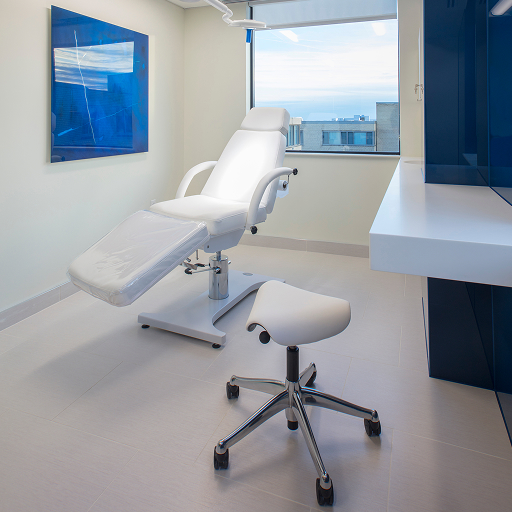
In healthcare and laboratory environments, healthy materials must withstand demanding use while promoting hygiene and wellbeing. This can include:
-
Fabrics rated for hospital-grade cleaning
-
Surfaces suitable for frequent wipe-downs with disinfectants
-
Modular components that enable part replacement rather than full product disposal
-
Textiles certified free of PFAS and Red-List chemicals, with measurable recycled or recyclable content
- Manufacturing processes that align with or exceed corporate ESG and net-zero standards
Humanscale’s Approach: Where Materials and Performance Align
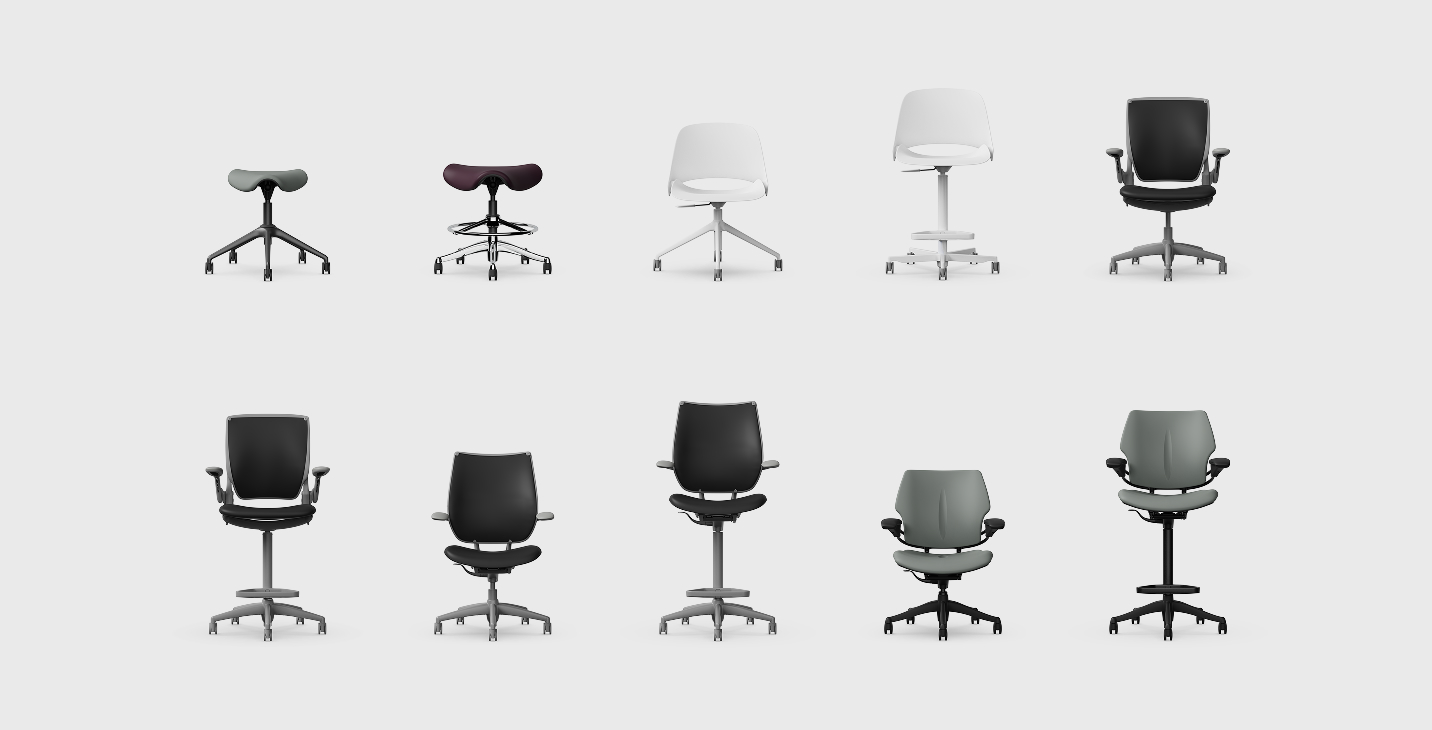
The Humanscale Lab & Healthcare Collection is where this philosophy comes to life. Each product is engineered with the same evidence-based ergonomics found across Humanscale’s broader portfolio but refined for the realities of clinical and laboratory use.
The collection features:
- Hospital-grade textiles engineered for cleanability and durability
- High-performance surfaces that resist staining and support intensive sanitisation
- Replaceable components to extend product lifespan and reduce waste
- Sustainable, Red List-Free materials manufactured in Humanscale’s zero-waste certified facilities
- https://www.jll.com/en-us/newsroom/new-workplace-standards-demand-an-evolution-of-office-design
- https://www.gensler.com/blog/gensler-product-sustainability-standards-v2
- https://www.gensler.com/climate-action-2021-the-right-materials
- https://www.hok.com/ideas/research/hoks-sustainable-material-tracking-a-journey-toward-healthier-space/